There was a time when knowing the hour was a shared privilege. Time lived in church towers, city bells, and great public clocks that set the rhythm of urban life.
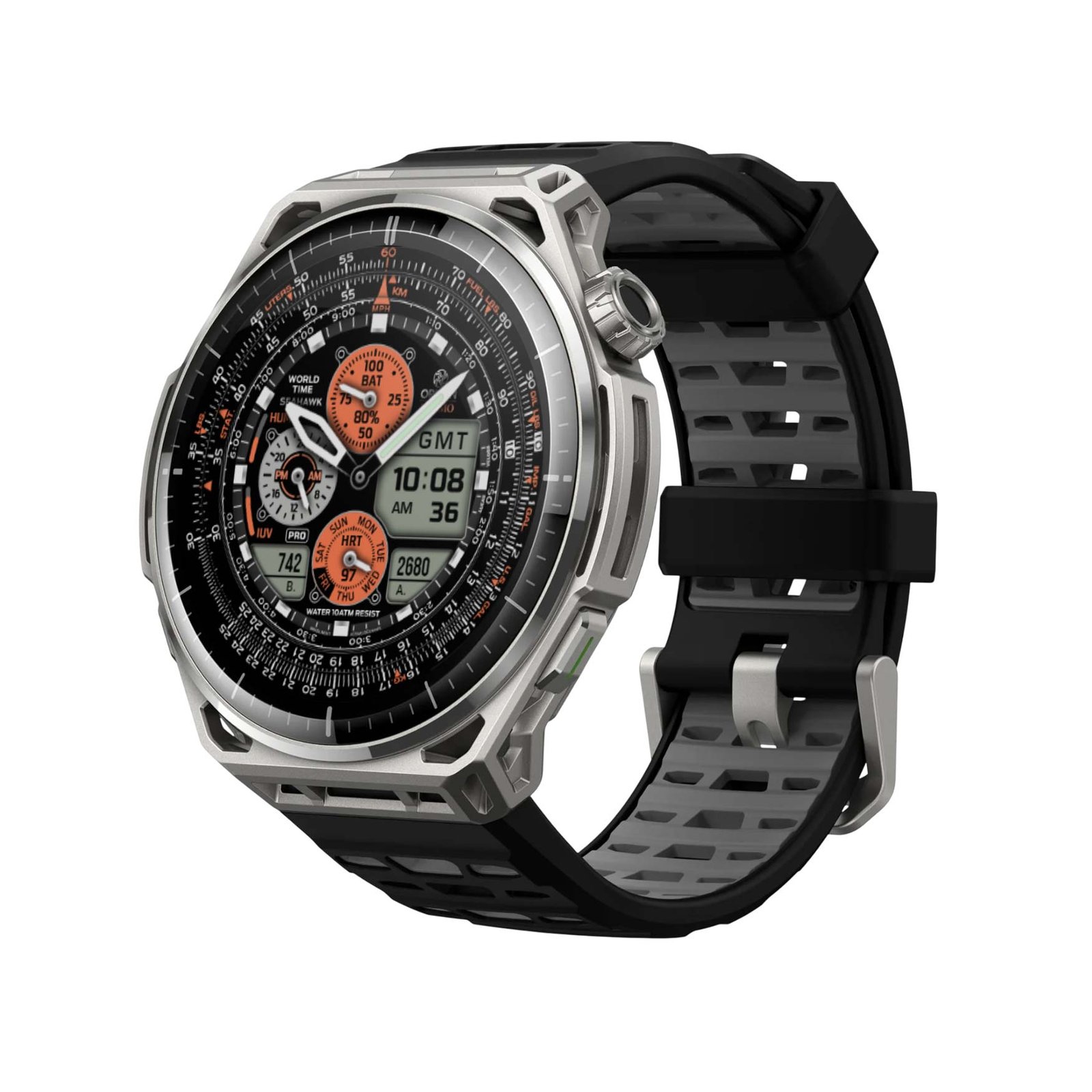
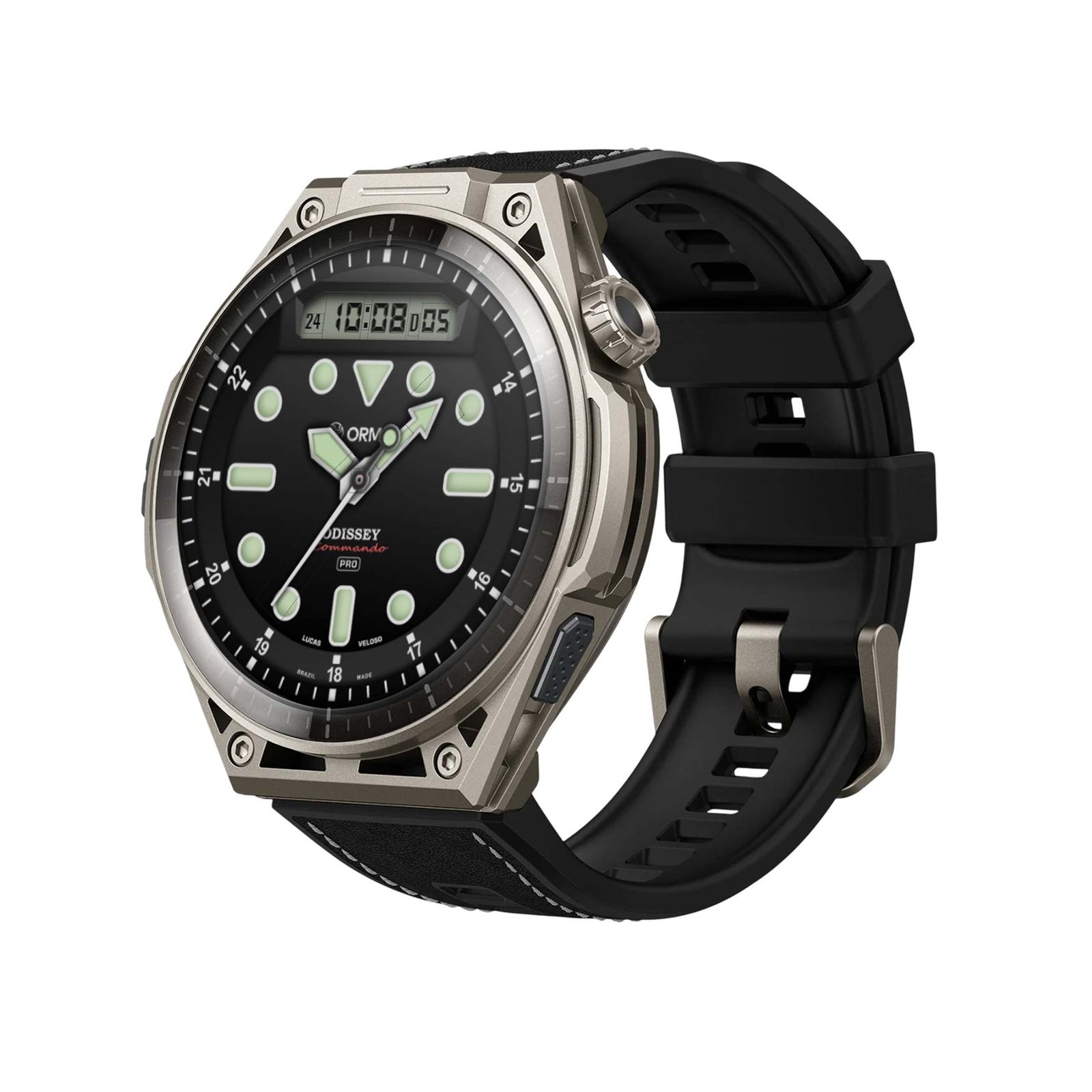
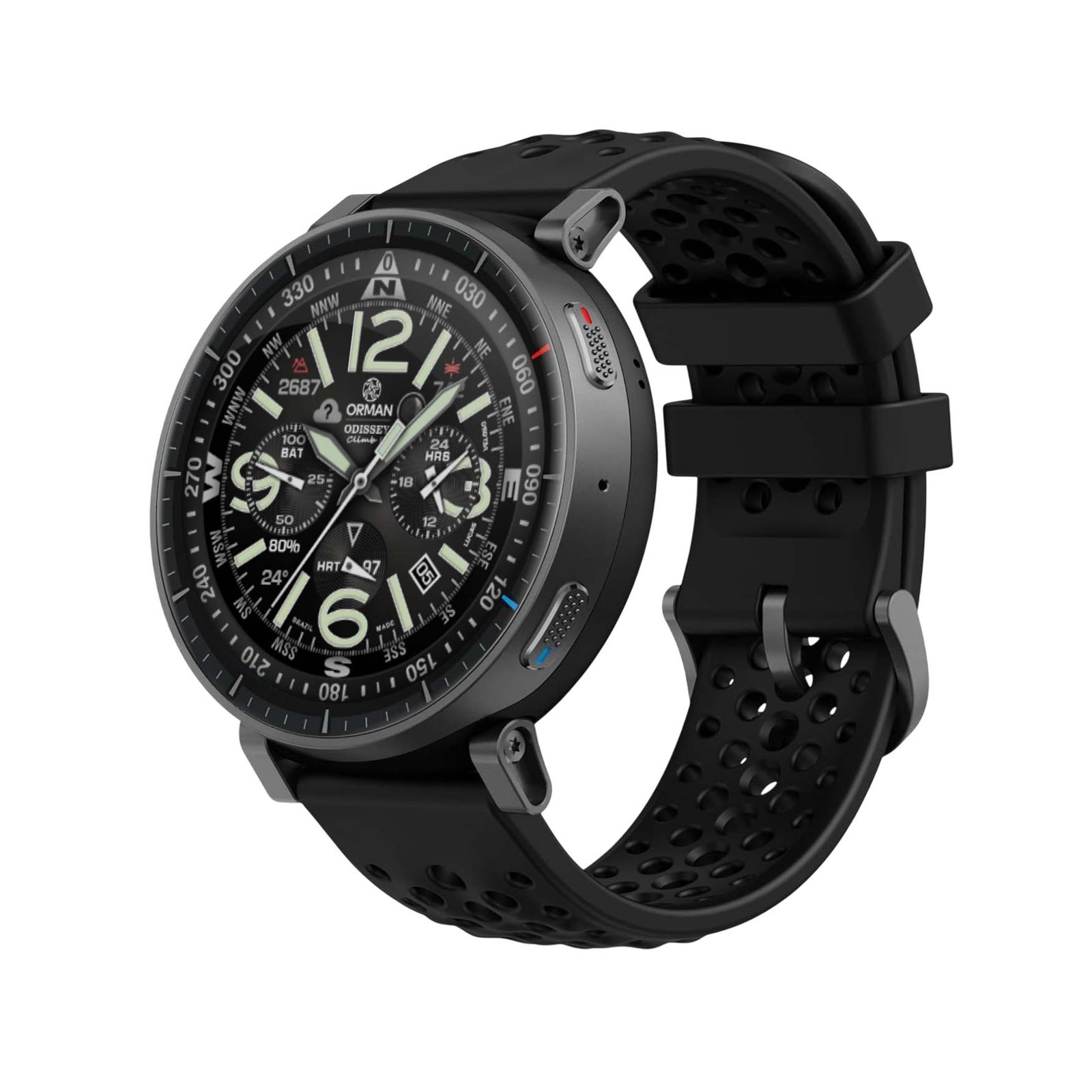
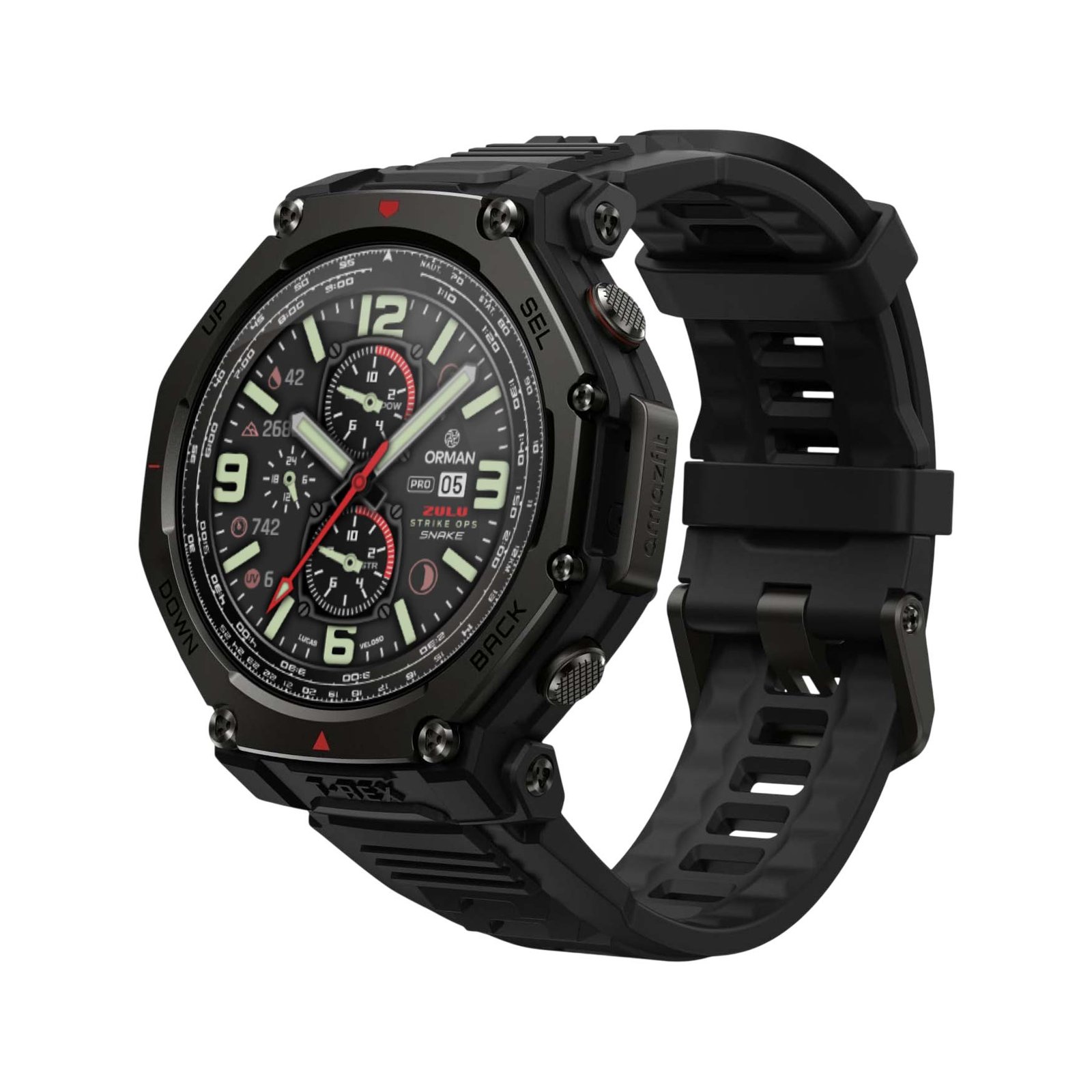
*Amazfit and the Balance 3 model are trademarks and property of Zepp Health. ORMAN Watch designs only the intelligent watch faces (Smartfaces).
When Measuring Time Meant Organizing Society
Few could have imagined that, centuries later, that same instrument would find a permanent place on the wrist—capable of monitoring health, guiding journeys, tracking physical activity, and even detecting changes in the body. The evolution of watchmaking reflects a much greater transformation: the changing relationship between people and time itself.
Timeline
Long before watches became symbols of elegance or style, timekeeping emerged to solve practical problems. The growth of medieval cities, the expansion of trade, and the organization of religious life all demanded a shared reference for time. The first mechanical clocks installed in towers belonged not to individuals, but to entire communities. They synchronized working hours, gatherings, ceremonies, and markets, making time essential to the way society functioned.
As science advanced and the great voyages of exploration expanded the boundaries of the known world, precision became more than a technical achievement. It became a strategic necessity. Navigators depended on reliable instruments to determine their position, researchers pursued increasingly accurate measurements, and the Industrial Revolution demanded synchronization between people, machines, and processes. Watchmaking evolved because society had come to depend on it.
Time Became Mobile—and the World Moved Faste
For centuries, carrying a watch meant keeping it in a pocket. Pocket watches represented sophistication, technical mastery, and prestige, but they also reflected the pace of life at the time. Checking the hour meant stopping, carefully taking out the watch, and returning it to its place.
The shift came as the world began to move faster. Soldiers, aviators, explorers, engineers, and professionals working in demanding conditions needed immediate access to information. The watch moved to the wrist because people needed the freedom to act without losing track of time. This transformation permanently changed watch design. Stronger cases, highly legible dials, more visible hands, and durable straps were created to meet real needs long before they became defining elements of visual identity.
Every Style Tells the Story of a Human Need
Few details in watchmaking exist for aesthetics alone. Dive watches were given luminous markers and rotating bezels to make them easier to read underwater. Aviation watches prioritized large dials and intuitively arranged information. Chronographs were created to measure elapsed time with precision. GMT watches accompanied professionals who regularly crossed time zones.
Every design solution preserves the memory of a challenge faced by people at a particular moment in history. That is precisely why so many classic designs remain relevant today: they carry a functional logic that transcends generations and continues to make sense decades after they first appeared.
The Electronic Revolution Changed the Language of Time
For generations, watchmaking refined mechanisms built from springs, gears, and escapements. The next great leap came with electronics. In 1969, the launch of the Seiko Quartz Astron opened a new era, demonstrating that quartz crystals could deliver unprecedented levels of precision. Watches no longer relied exclusively on mechanical movements, incorporating electronic circuits capable of significantly reducing variations in timekeeping.
Just a few years later, manufacturers such as Casio brought digital displays to the mainstream. The shift went far beyond technology. It transformed the visual language of watchmaking. Hands gave way to numbers, electronic segments, and multiple pieces of information displayed at once. Calendars, stopwatches, alarms, illumination, and calculators became part of everyday life for millions of people. For the first time, a watch could answer far more than one simple question: “What time is it?”
The Watch Stops Watching Time and Starts Watching Us
The arrival of the smartwatch represents one of the greatest transformations in the history of watchmaking. The watch still tells time, but that is no longer its primary role. Sensors, computing intelligence, and connectivity have transformed the wrist into a constant source of personal information.
Heart rate monitoring, sleep analysis, stress levels, blood oxygen, electrocardiograms, body temperature, and, in some models, features related to blood pressure monitoring show how the watch has become an active part of everyday health and wellness. What spent centuries measuring only time now helps people better understand their own bodies.
This evolution has also redefined the role of design. The dial is no longer fixed; it has become dynamic. A single screen can take on countless identities, inspired by decades of watchmaking tradition or created to offer entirely new ways of experiencing information. The challenge is no longer simply to build a beautiful watch. It is to interpret a centuries-old legacy through a digital interface capable of bringing together functionality, ergonomics, and personality.
We Don’t Create Watch Faces. We Design the Future of Smartwatches
ORMAN Watch was born from this understanding. Every Smartface begins with a deep respect for watchmaking culture—studying the origins of each style, the logic behind its dial, and the purpose of every visual element before reinterpreting them for smart devices. The goal is not to reproduce historic watches, but to preserve the meaning behind their design.
The evolution of watchmaking has never been simply a succession of gears, circuits, and screens. It reflects the way humanity organizes everyday life, faces challenges, explores new frontiers, and learns to care for itself.
Collections and Families, Integrated into Your Digital Life
Every generation of watches records a chapter in this journey. By translating this heritage into the world of smartwatches, ORMAN Watch helps keep centuries of history alive on the wrist—now bringing tradition, design, and technology together in a single experience.
Research. Understand. Interpret. Transform. This is how the history of watchmaking meets contemporary design and finds new life in the world of smartwatches.